
By IMONABUDGET
Note: Actual Product Colors May Differ Slightly From Product Images
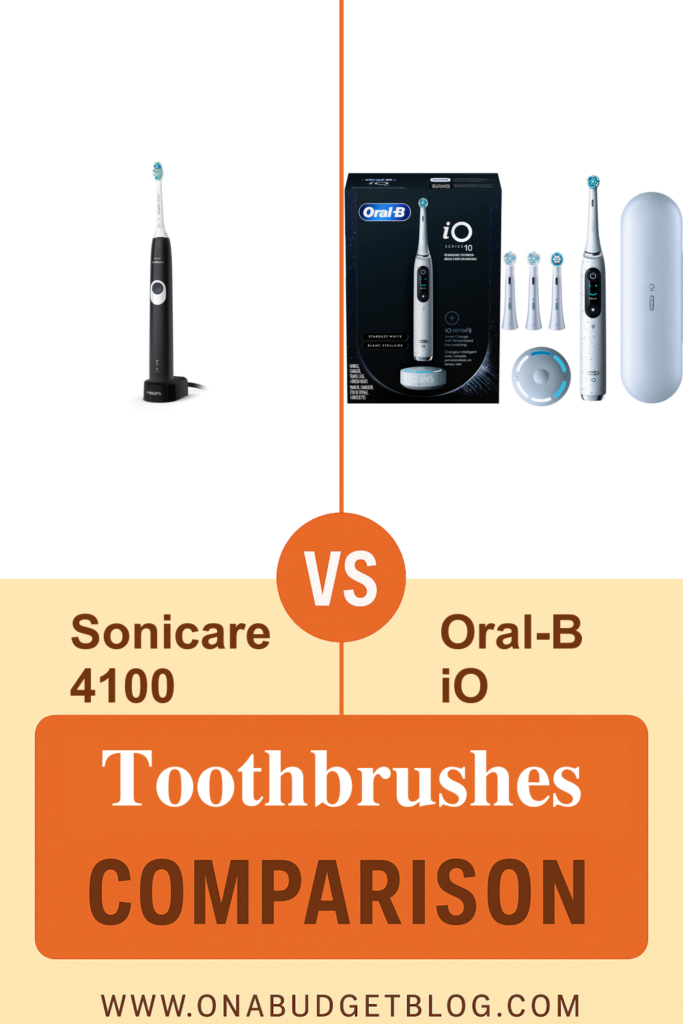
Your dentist keeps recommending an electric toothbrush, but price tags at the store range from pleasantly reasonable to are-you-serious. Where’s the line between smart spending and paying for gimmicks? We tested the Philips Sonicare 4100 ProtectiveClean—the internet’s favorite budget sonic brush—against the Oral-B iO Series 10, the tech-stacked flagship that sits at the very top of Oral-B’s lineup.
The Sonicare 4100 promises dental-grade cleaning, a pressure sensor, and two-week battery life without the extras you may never use. The iO Series 10 counters with an interactive color display, AI-powered coaching, seven cleaning modes, and Oral-B’s magnetic iO drive. Both brushes are genuinely excellent—but they serve very different wallets and very different brushing personalities.
We compared cleaning performance, pressure sensing, battery life, replacement head costs, and day-to-day usability to find out which brush actually earns its place on your counter. Spoiler: the cheaper brush wins on pure value, while the expensive one wins on wow factor and coaching tech. Here’s the full breakdown—no hype, just brushing science.
Table of Contents
- 1. Philips Sonicare 4100: Budget Brushing Done Right
- 2. Oral-B iO Series 10: The Flagship Smile Machine
- 3. Product Links
1. Philips Sonicare 4100: Budget Brushing Done Right
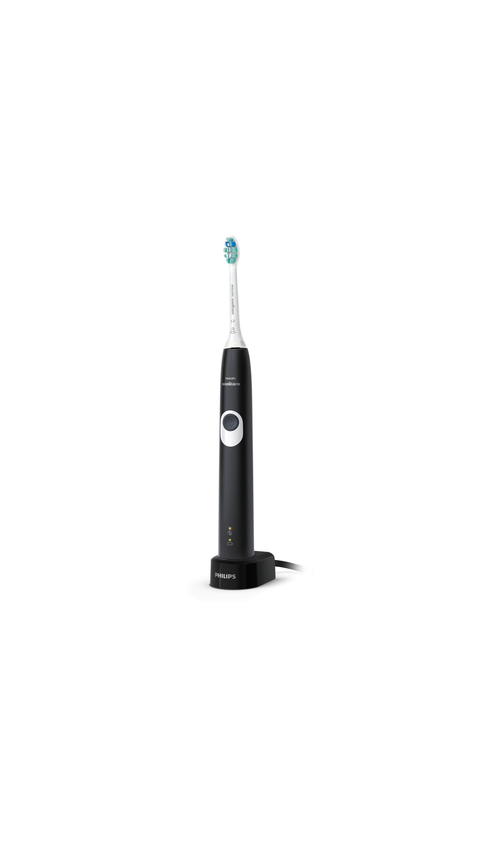
The Philips Sonicare 4100 ProtectiveClean is proof that you don’t need a color touchscreen to get a genuinely deep clean. Its sonic technology drives bristles at up to 62,000 movements per minute, creating a gentle fluid action that sweeps water and toothpaste into the tight spaces between your teeth—the exact spots manual brushing routinely misses. Independent dental research has long favored sonic brushing for plaque removal, and this is essentially the same core engine Philips builds into brushes many times its price.
The standout feature at this level is the built-in pressure sensor. Press too hard—the number-one cause of receding gums—and the handle pulses to remind you to ease up. A two-minute smart timer with 30-second interval prompts keeps you honest about quadrant coverage, so even groggy morning brushing follows your dentist’s playbook. There’s also a Gentle intensity setting for sensitive teeth, fresh dental cleanings, or anyone transitioning from a manual brush.
Battery life is where Sonicare embarrasses pricier rivals: a single charge lasts up to two weeks, and the included slim travel case makes it a permanent carry-on staple. Philips’ BrushSync chip inside each brush head also tracks usage and reminds you when it’s time for a replacement, taking the guesswork out of maintenance.
Here’s the budget sleeper perk: the 4100 uses Philips’ standard click-on brush heads, one of the largest and cheapest ecosystems in the industry. Whitening, gum care, sensitive, and even third-party options keep long-term ownership costs low—a bigger deal than most buyers realize. The trade-offs? No Bluetooth, no app coaching, no display, and only two intensities. The matte handle feels practical rather than premium, and a full charge takes most of a day.
Best for: first-time electric brush buyers, students, frequent travelers, and anyone who wants dentist-recommended cleaning without flagship upkeep. Pair it with a solid routine and it delivers roughly ninety percent of the premium experience for a fraction of the price.
2. Oral-B iO Series 10: The Flagship Smile Machine
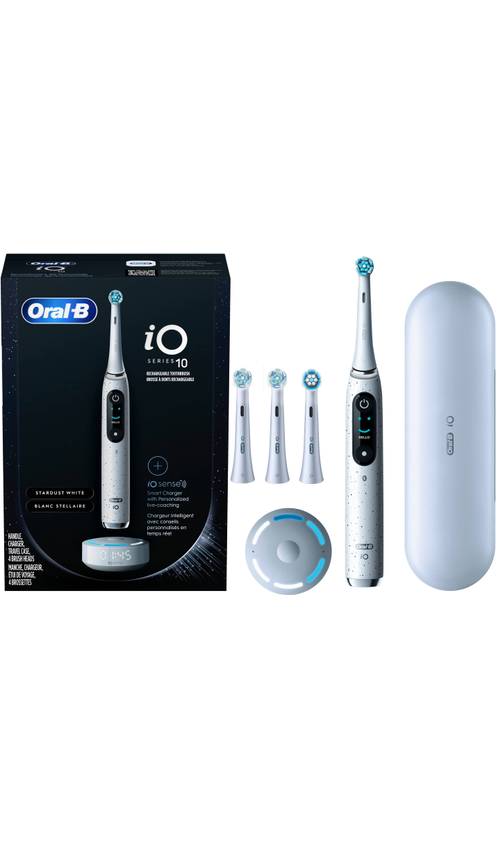
The Oral-B iO Series 10 is the flagship of flagships—Oral-B’s most advanced brush, loaded with tech that feels closer to a smartwatch than a toothbrush. Its magnetic iO drive marries Oral-B’s famous oscillating-rotating round head with calming micro-vibrations, delivering what the brand calls its deepest, quietest clean ever. The round head cups each tooth individually, which many users find noticeably more thorough around the gumline and behind the molars than elongated sonic heads.
Turn it on and an interactive color display greets you, walks you through modes, and shows a coaching smiley that tracks your session in real time. A smart pressure sensor glows red when you’re scrubbing too hard and green when you’ve nailed it—pressure training built right into your reflection. There are seven cleaning modes: Daily Clean, Sensitive, Super Sensitive, Intense, Whitening, Gum Care, and Tongue Clean, so the brush adapts to braces, sensitivity, and whitening goals alike.
Pair it with the Oral-B app and things get futuristic: AI-powered 3D teeth tracking maps every brushing zone, flags missed spots, and builds personalized coaching programs over time. The magnetic fast charger refills the battery in about three hours—several times faster than a standard charging base—and a premium travel case comes in the box.
The trade-offs are real. The iO requires its own twist-on brush heads, which cost noticeably more than Sonicare’s click-ons and have fewer generic alternatives, so replacement costs compound over the years. The handle is heavier, the display adds a learning curve, and Bluetooth pairing can feel like overkill if you just want to brush and go. Battery life also lands short of Sonicare’s two-week claim when you lean on high-power modes and app features.
Best for: tech lovers, braces and aligner wearers, whitening chasers, and anyone who wants their bathroom counter to look like mission control. If brushing is your least favorite chore, the iO turns it into an experience—provided the ongoing head costs fit your budget.
3. Product Links
Check out these recommended products:
#ad Sonicare 4100
#ad Oral-B iO